








The science of
behavior & habits
Much of what we do is determined by repetition and context. Behavioral science shows that routines are often automatic responses. These are the 5 core insights behind how habits work and how Lio responds to them.
The power of autopilot
A habit is behavior that through regular repetition is automatically executed in response to environmental cues. This response becomes deeply embedded in the brain, requiring little to no conscious decision-making. This is evolutionarily efficient: it saves energy.
Behavioral scientists like Wendy Wood have extensively researched how these routines develop. Their research shows that approximately 40% of our daily actions occur completely automatically. We don't think about it, we just do it because the context prompts us to.
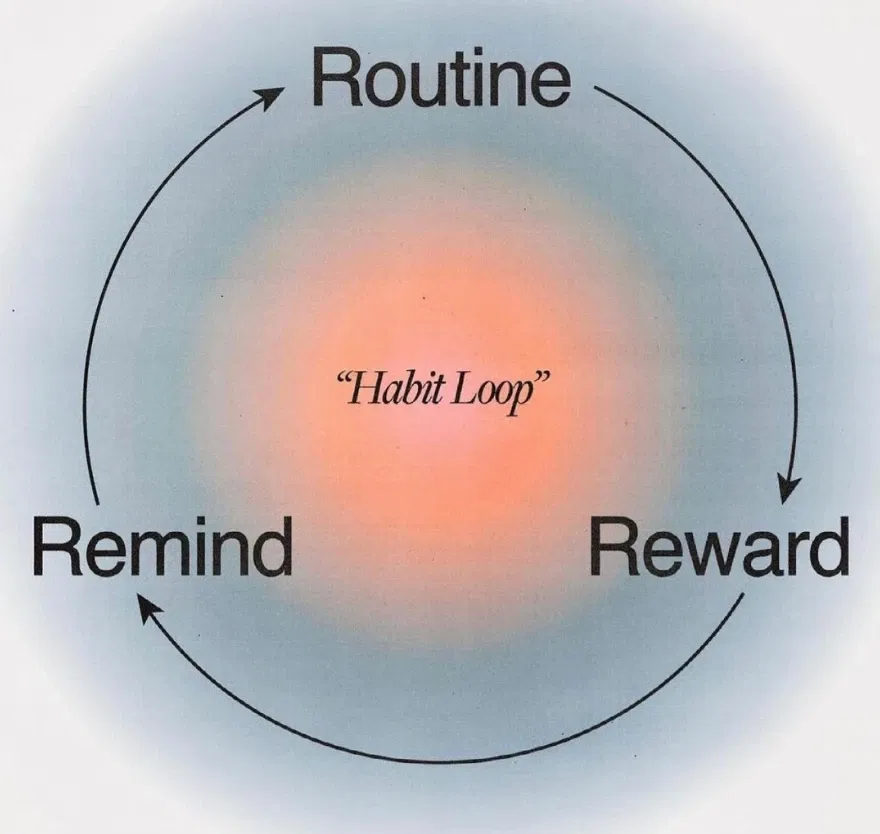

The anatomy of a habit: The 'Habit Loop'
To understand (and change) habits, scientists often use the 'Habit Loop' framework. This consists of four inseparable components:
Context Cue: A signal or situation that triggers the behavior (for example: waiting for the bus, stress at work, or a cup of coffee).
Craving: The motivation behind the behavior; the urge to change the feeling from the trigger.
Routine: The actual action or ritual itself.
Reward: The result that reinforces the behavior in the brain and completes the circle.
Why bad habits are so deeply rooted
Research shows that bad habits are extremely strongly connected to these automatic 'loops'. Even when someone consciously decides to quit, the Context Cues (the triggers) remain active in the brain. In studies on addiction, the degree of automatism directly correlates with the intensity of the behavior. This means that the action of your bad habit - holding it, bringing it to your mouth, inhaling - is a deeply ingrained habit component that is separate from nicotine addiction.

Change is a process,
not a switch
Behavioral change, like quitting a bad habit, is rarely a linear process. The Transtheoretical Model (TTM) is an influential model that describes how people move through different stages:
Awareness: Realizing that the behavior exists.
Contemplation: Thinking about change.
Planning: Preparing how to approach the change.
Action: The actual attempt to change.
Maintenance: Integrating new behavior.
This model emphasizes that successful change is an interplay of motivation, the right context, repetition, and confidence that you can do it.

Behavioral vs.
chemical addiction
Lio was developed with behavioral psychology as its absolute foundation. Where traditional aids like nicotine patches focus purely on chemical addiction, Lio focuses entirely on behavioral addiction.
Because the 'Habit Loop' is so powerful, it's much easier for the brain to adjust the Routine than to completely ignore the Trigger. Instead of fighting the impulse, you redirect it.

Lio as a 'Behavioral Replacement Tool'
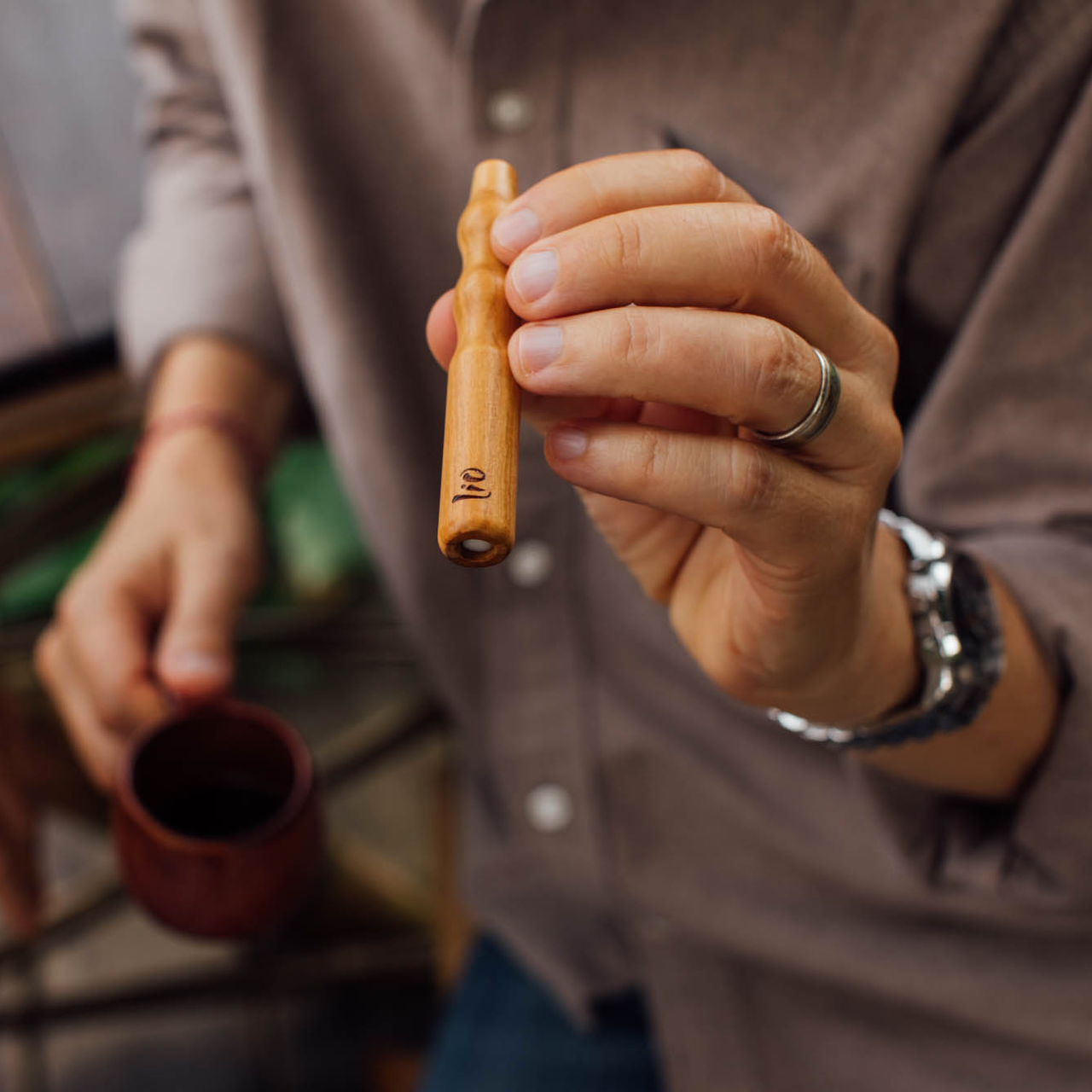
Lio functions as a tool that works with existing neural pathways instead of fighting against them. This lowers the cognitive burden of quitting (it requires less 'mental power') and makes the transition less abrupt. This happens through three mechanisms:
Maintaining Trigger & Reward: You enter a situation that normally triggers a craving (e.g., stress). Instead of suppressing it, you give in to it, but with a different, harmless routine.
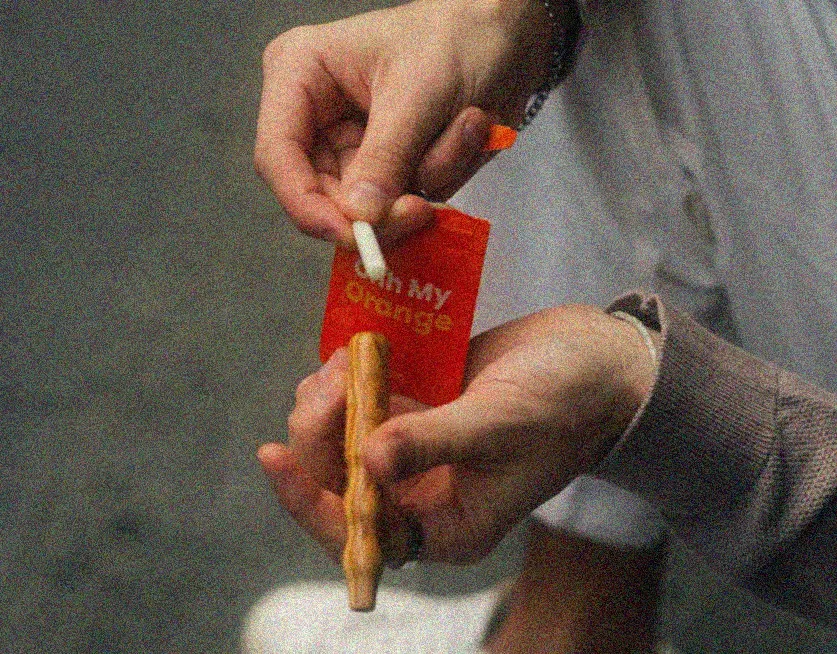
Tactile Satisfaction: Lio simulates the physical 'hand-to-mouth' action and the resistance when inhaling (the 'drag'). This calms the brain without harmful substances.
Psychological 'Fidget' Function: The physical object gives the hands something to do, which helps capture restlessness.
Conclusion: Work with your brain, not against it.
Quitting is difficult, but understanding how your habits work makes it easier. Lio isn't here to cure you, but to give you the tool that aligns with how your brain naturally works. Change your routine, maintain your peace.
Start My Journey
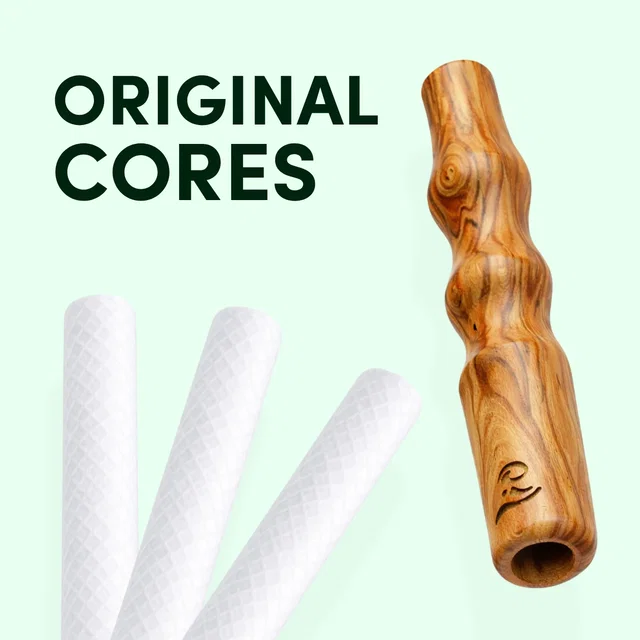
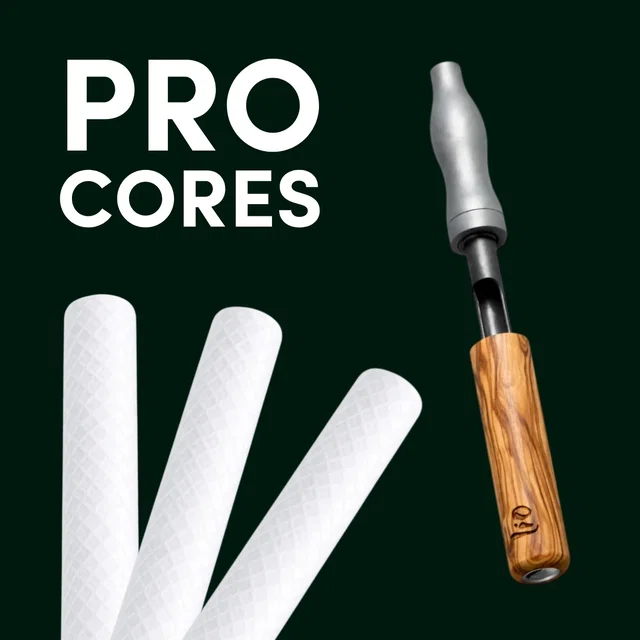
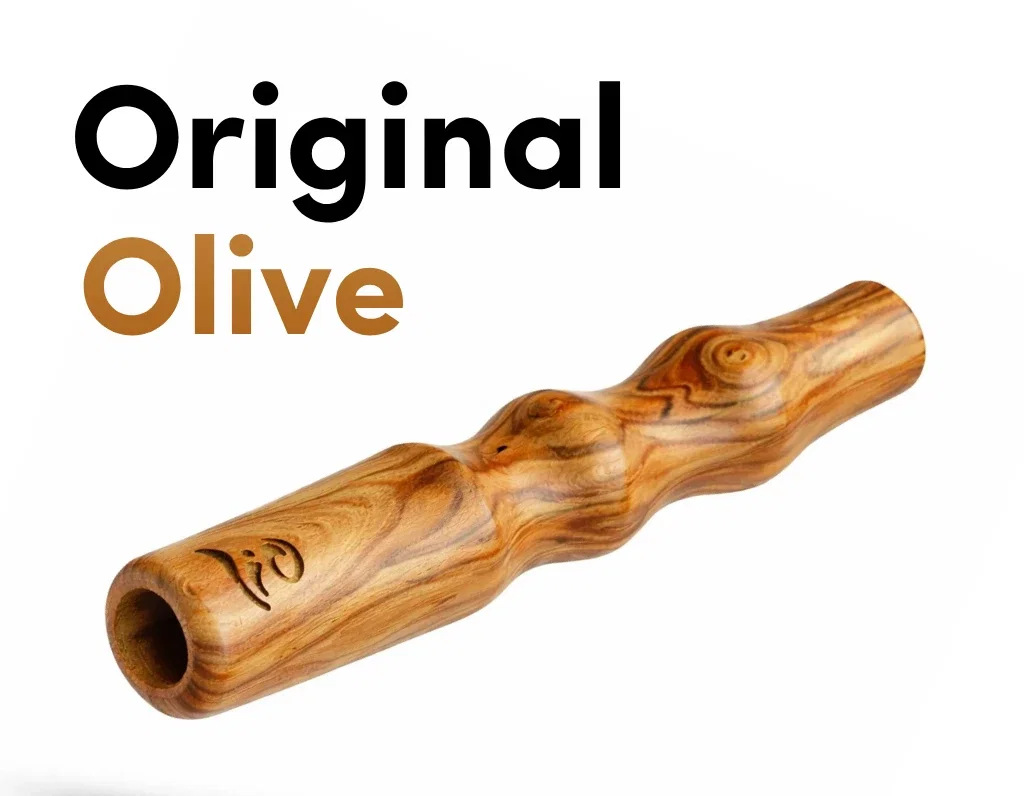
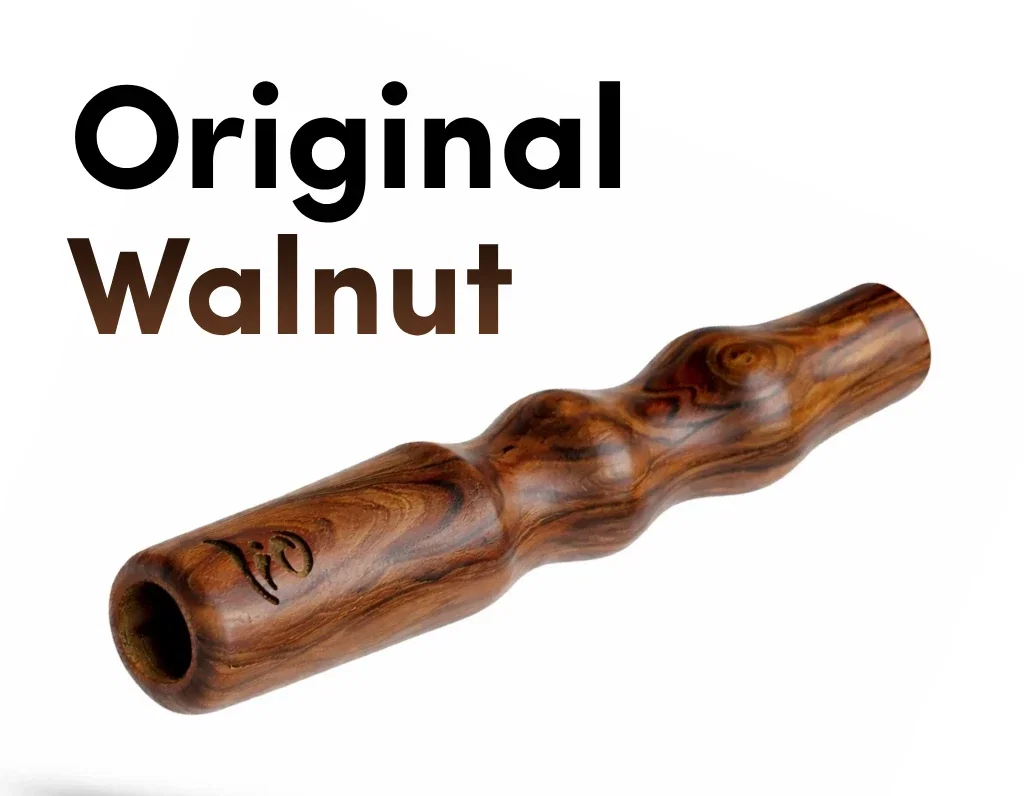
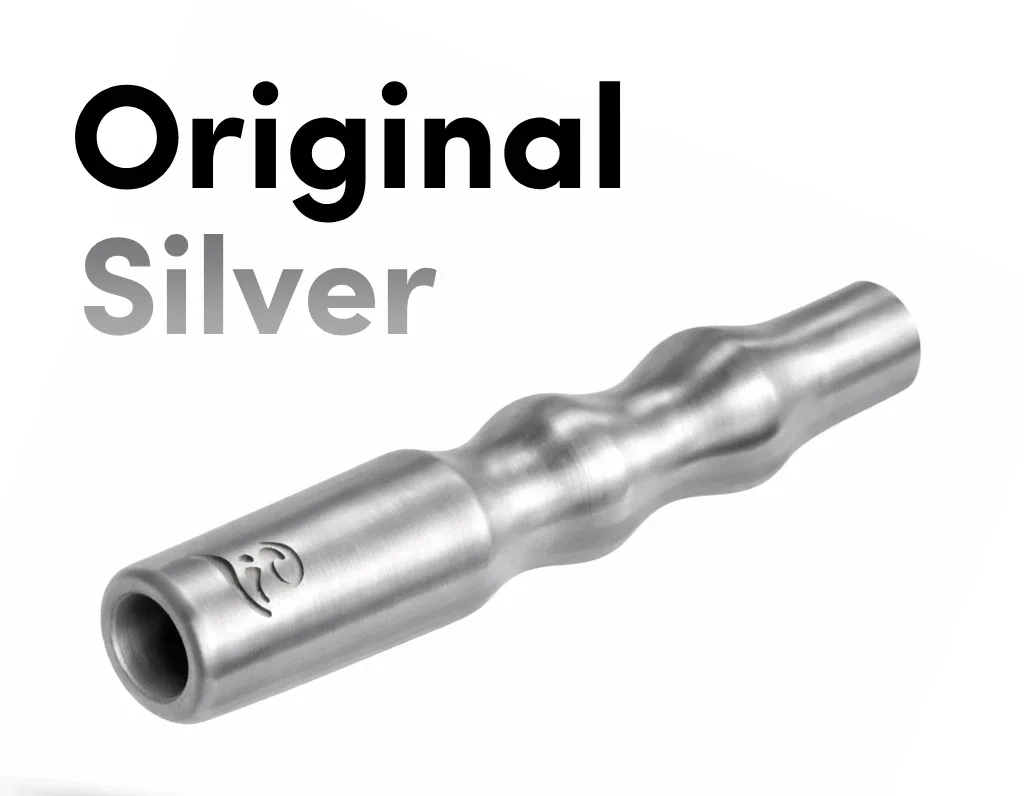
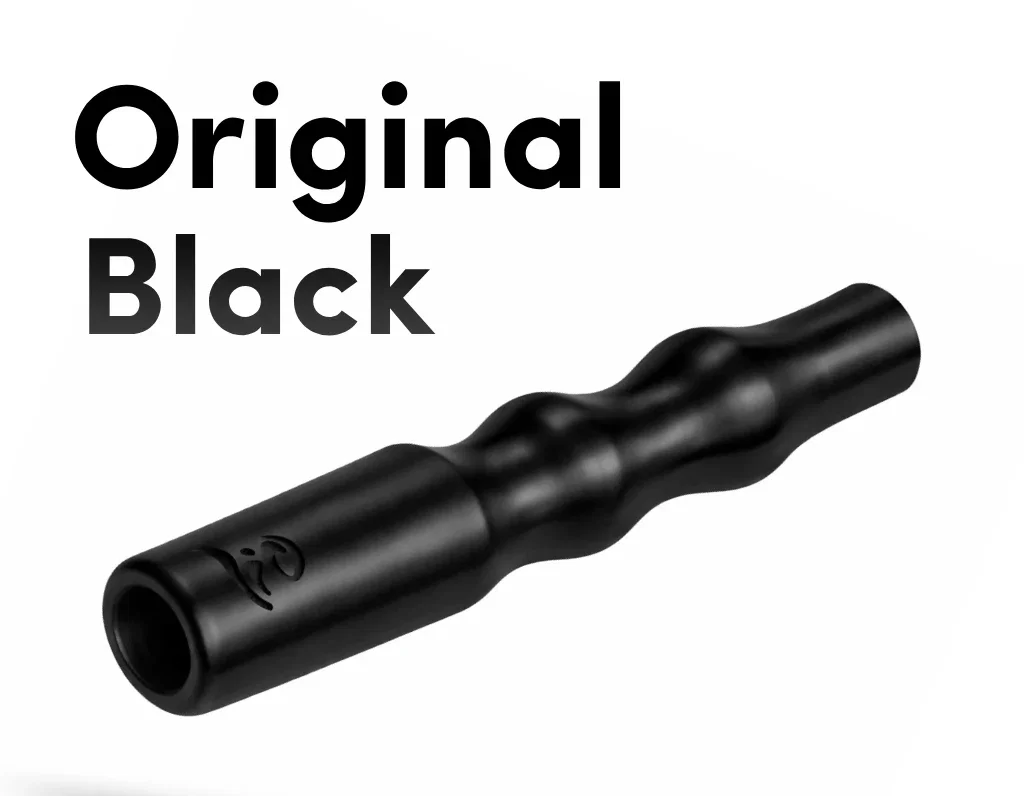
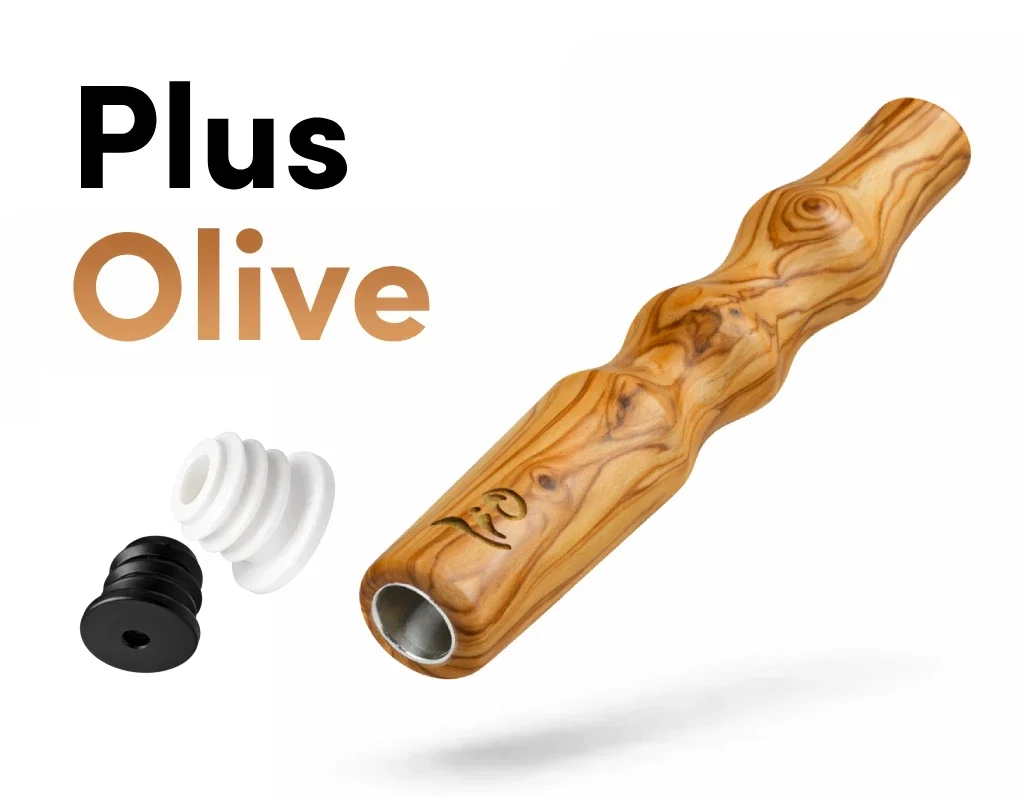
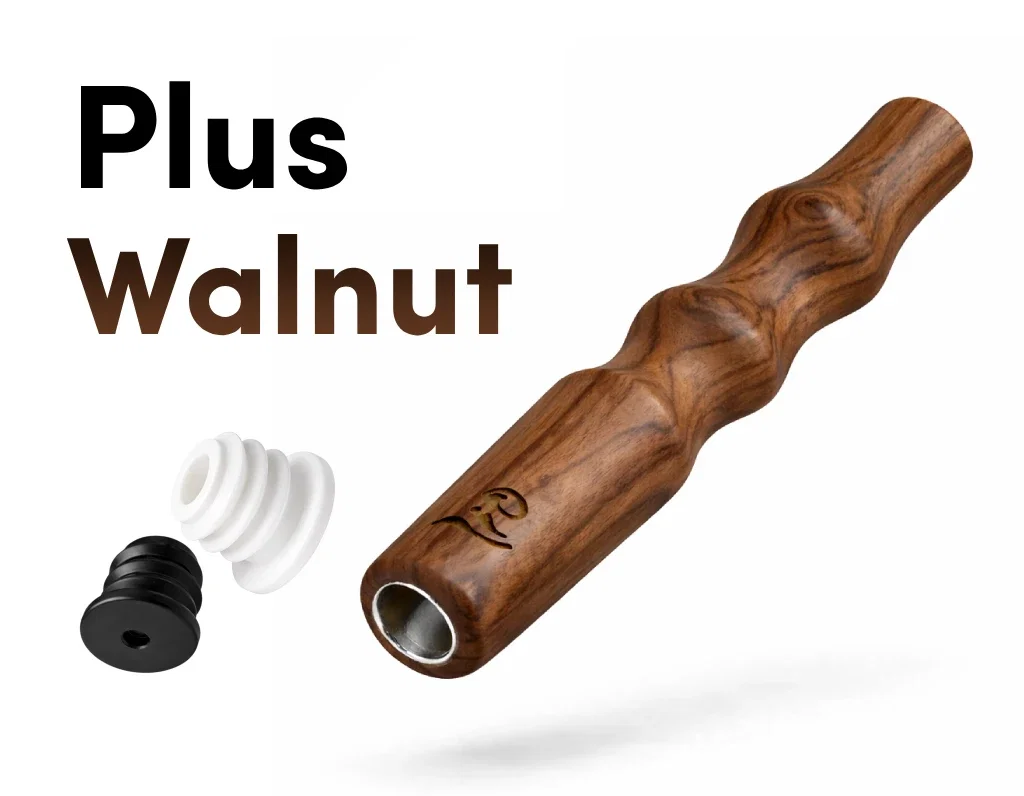
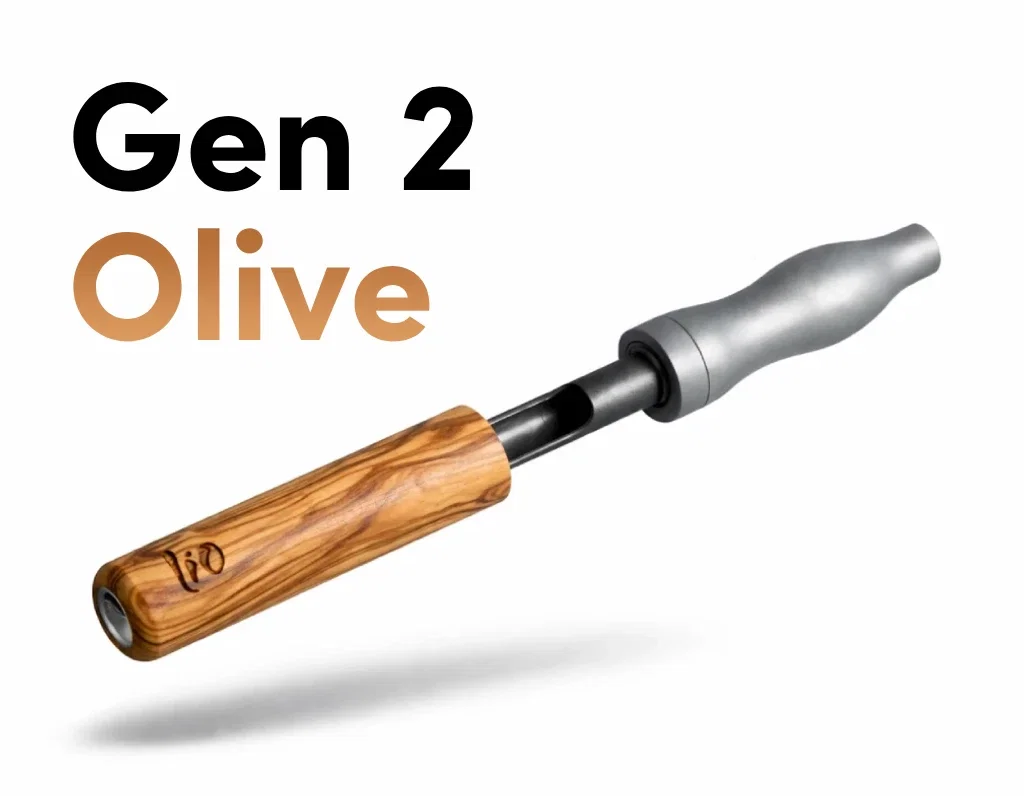
The new Lio Plus uses the original cores.
We believe everyone deserves access to natural wellness tools that support their personal goals. That's why we're here, to provide high-quality aromatherapy devices for those seeking to change their habits, one breath at a time.



European representative
Fresh@Work BV
Jelle Zijlstraweg 128
1689 ZX Zwaag
The Netherlands


Lio is a wellness and aromatherapy device designed to provide sensory satisfaction through natural ritual replacement. It is not a medical device, smoking cessation aid, or therapeutic treatment. Lio is not intended to diagnose, treat, cure, or prevent any disease, medical condition, or substance dependence. We make no health claims about this product. If you are struggling with addiction or substance dependence, please consult a qualified healthcare professional. Individual experiences and results may vary significantly.
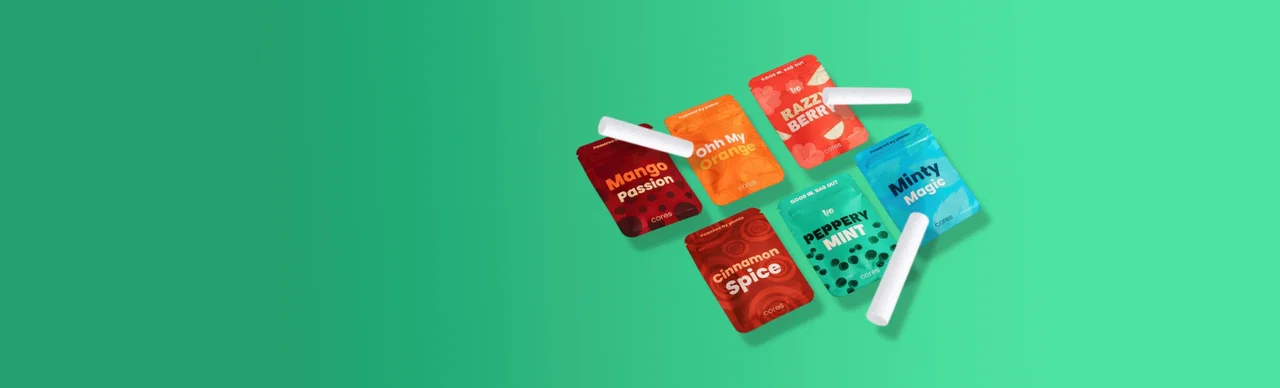
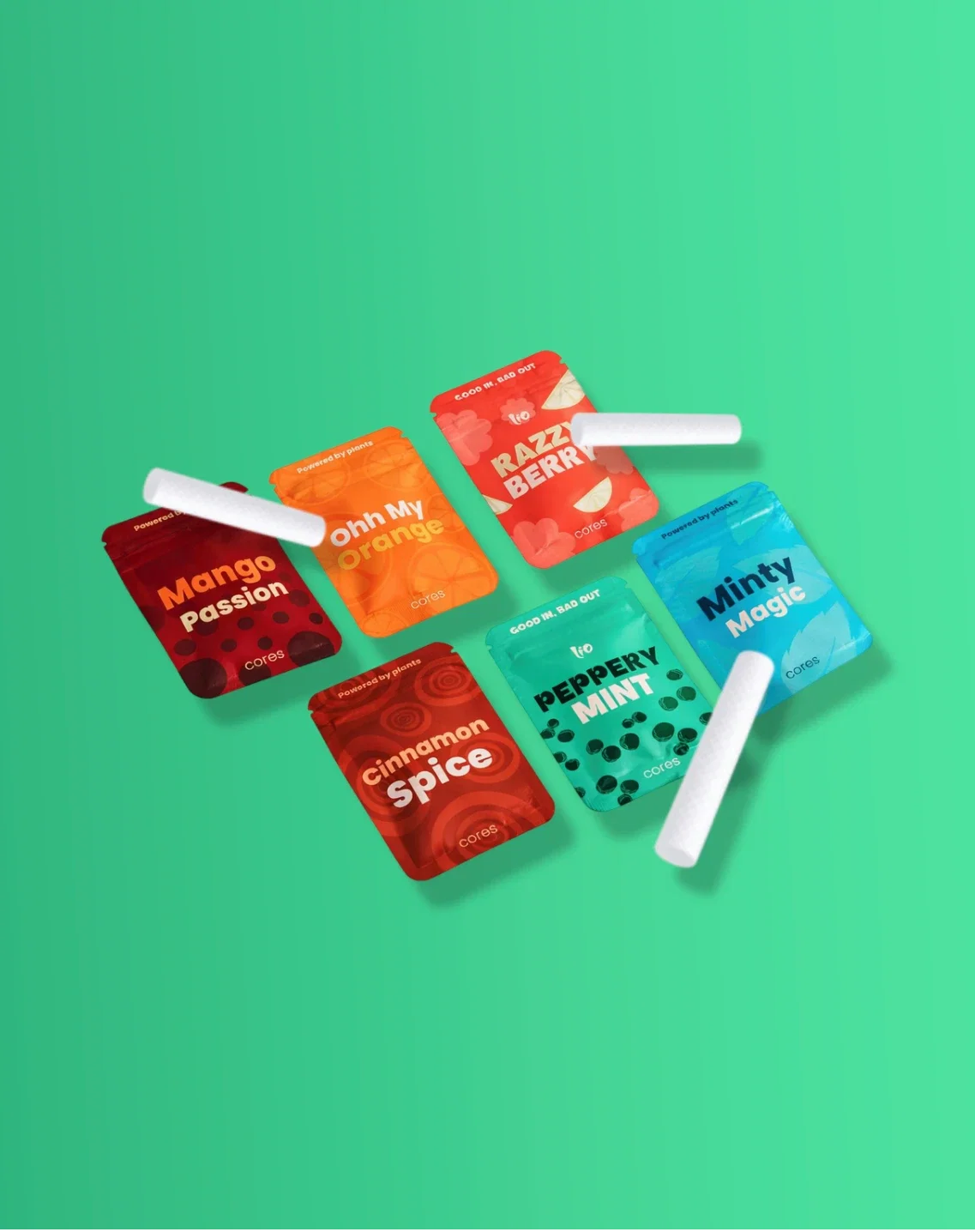
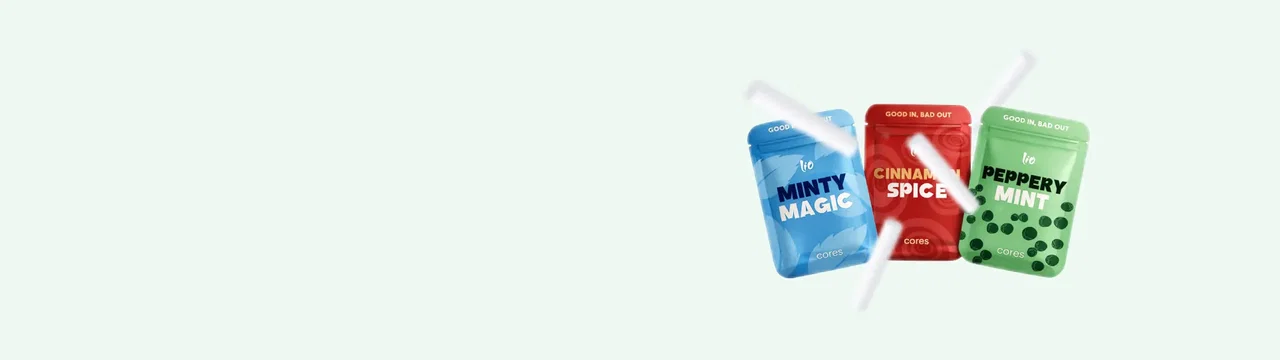
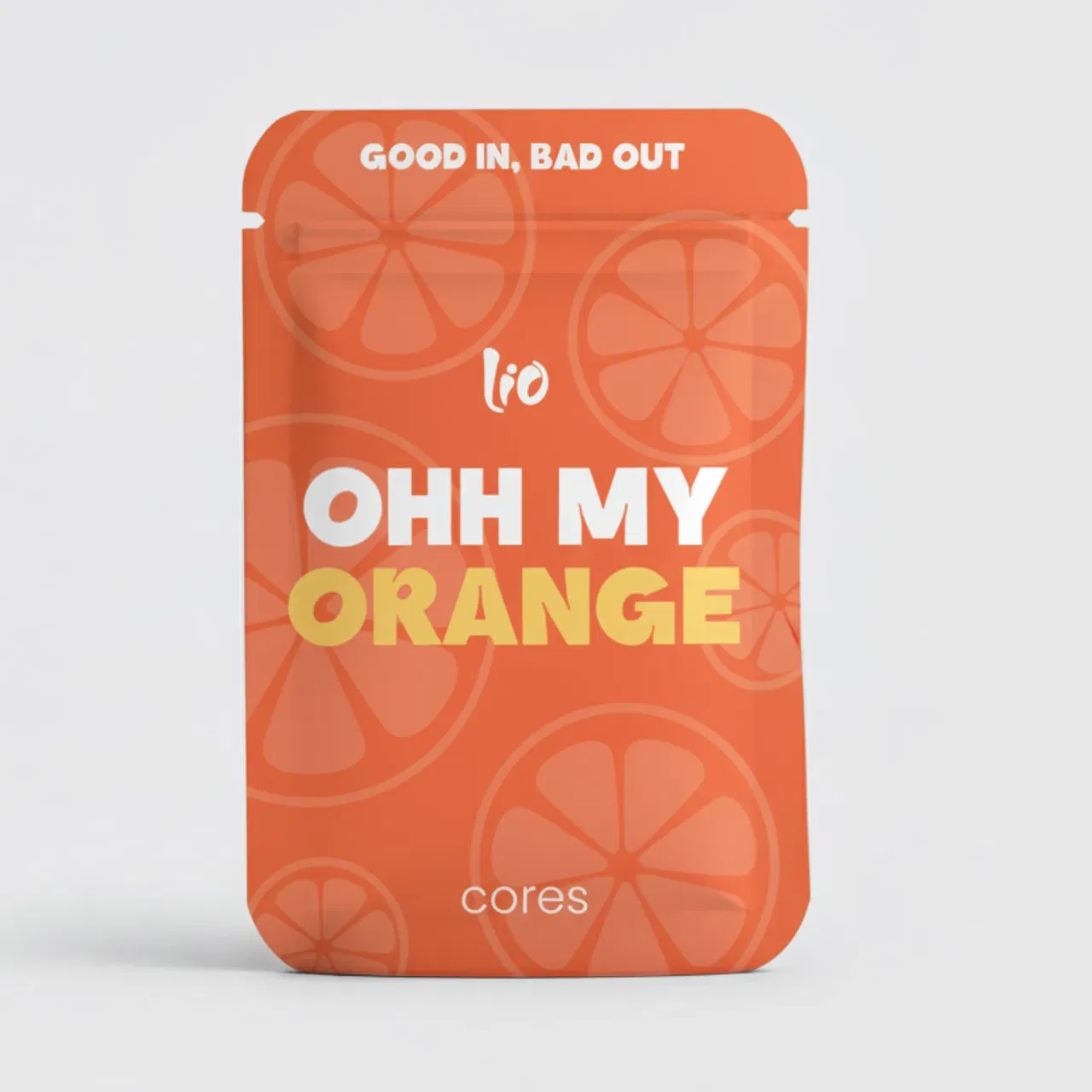
What Cores
do you need?
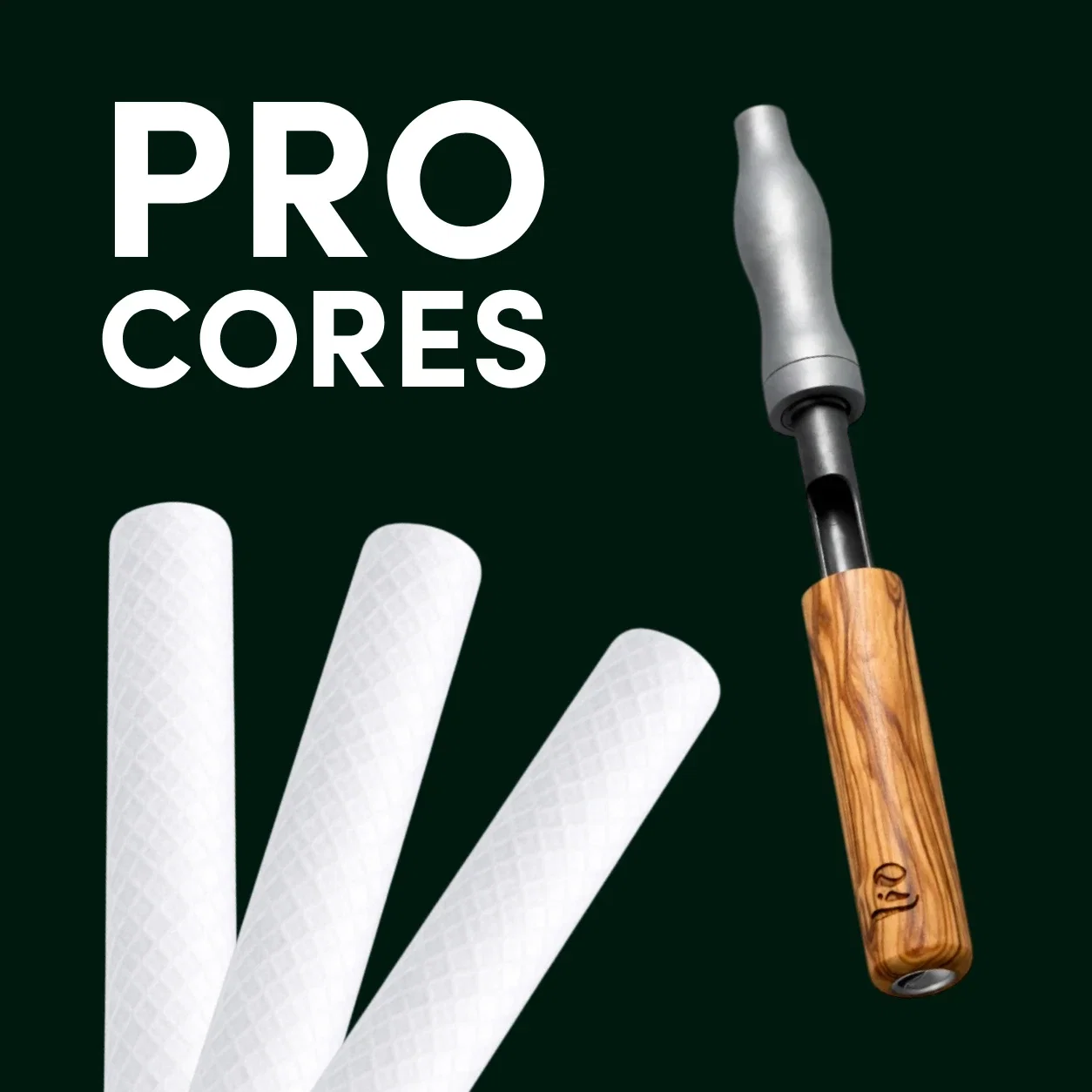
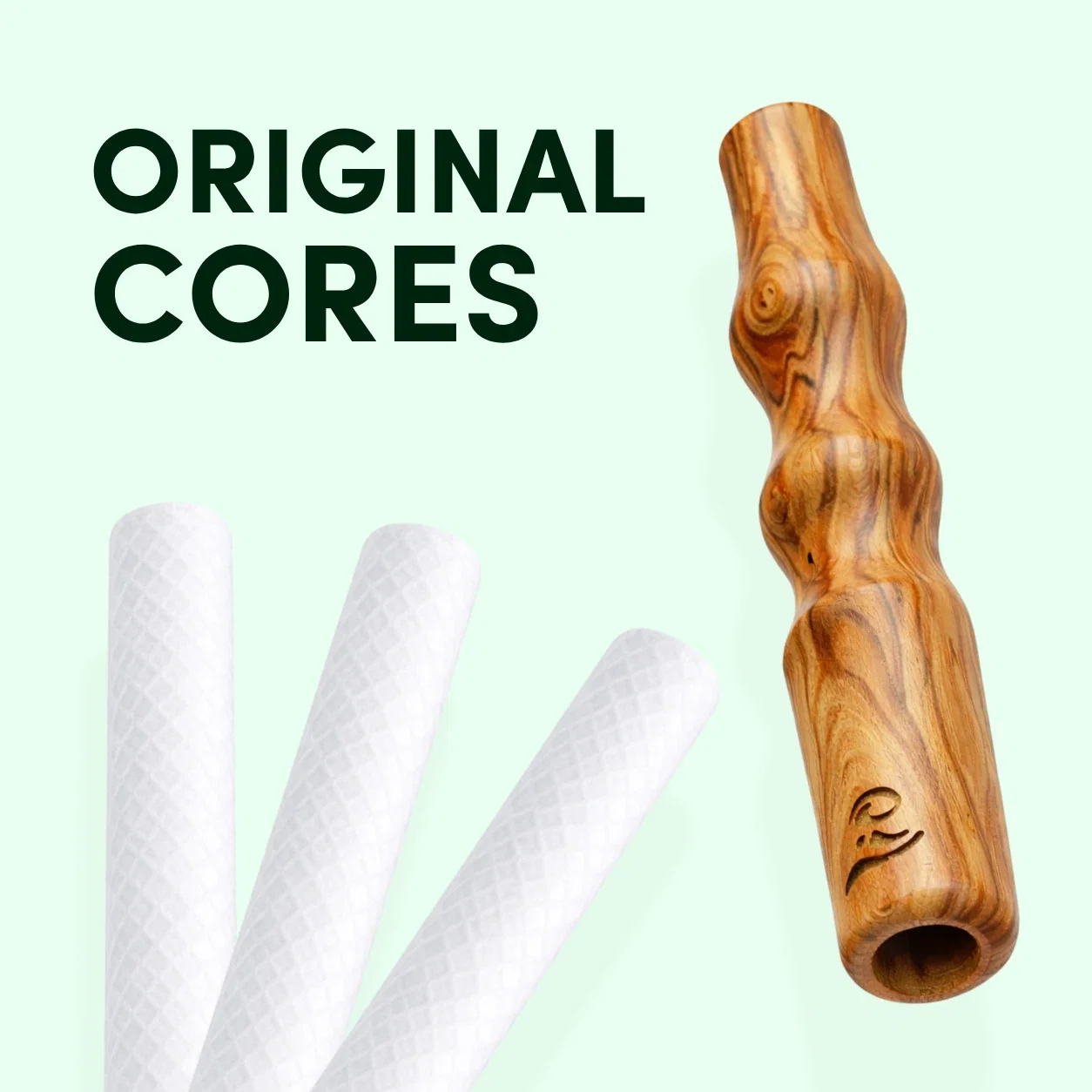
The new Lio Plus uses the original cores.